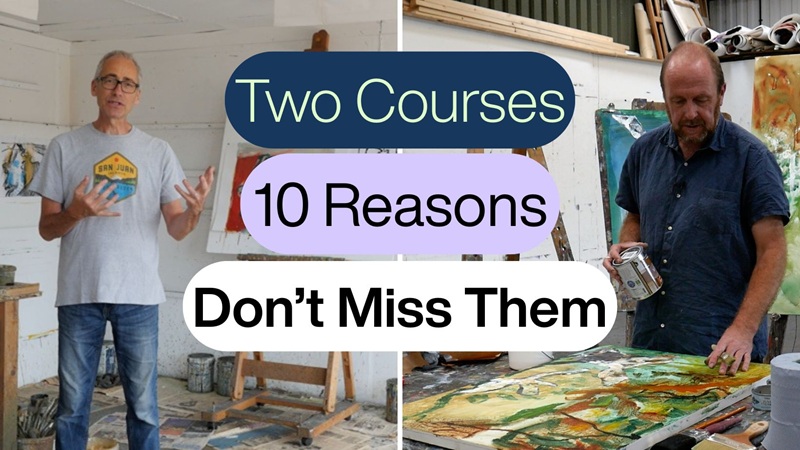
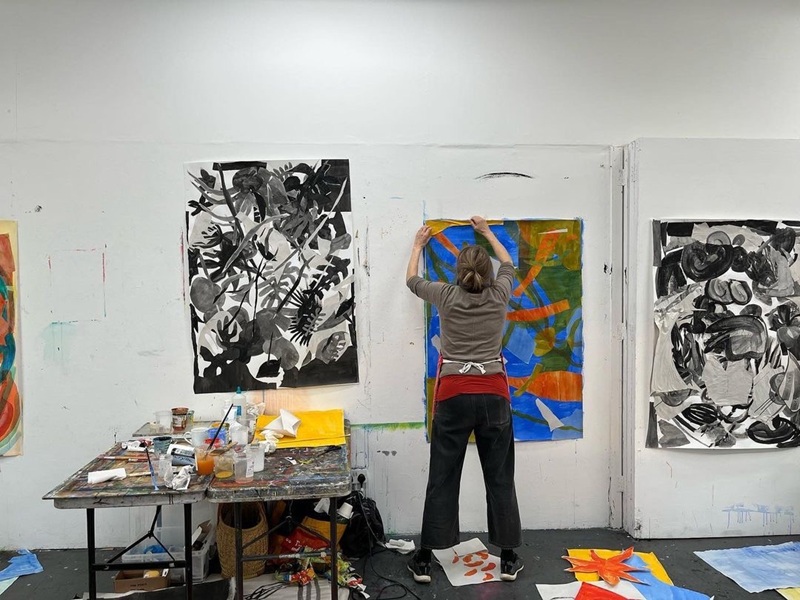
Rather than repeat ourselves, we want to highlight why these courses feel so important. Both offer rich, carefully structured experiences that introduce new ideas, approaches and techniques — ones that can refresh, challenge and reinvigorate your painting practice in unexpected ways.
If you’d like a deeper dive into each course, you can read our previous newsletter by clicking the button below:
But if you’re short on time, here are our top 10 reasons why these courses are not to be missed.
# 1. Learn from outstanding, generous tutors
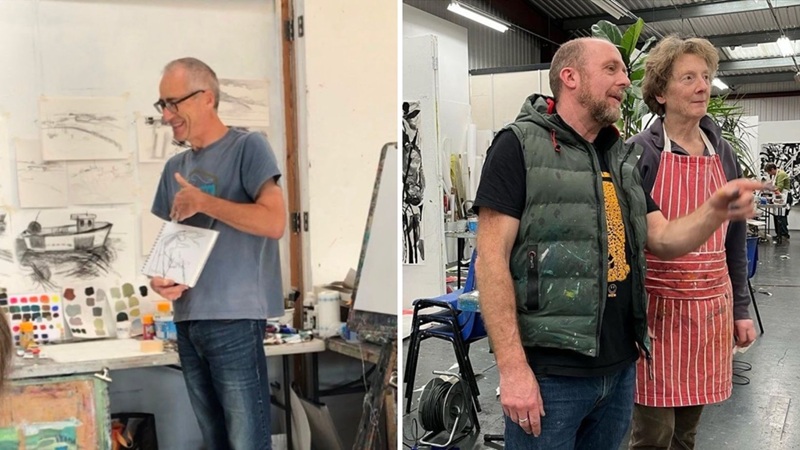
Simon Carter and Joe Packer are deeply committed teachers who openly share their thinking, processes and passion for painting.
Images: Simon Carter and Joe Packer teaching in the Seawhite Studio
# 2. Take away tools that last far beyond the course These are not “one-off” experiences. Each course is carefully structured to equip you with tools, processes and ways of thinking that you can return to again and again in your own studio practice.
# 3. Structured beginnings, expressive outcomes
Both courses begin with tangible starting points — figurative paintings or direct engagement with landscape — before encouraging you to loosen, improvise and paint with increasing confidence, expression and risk.
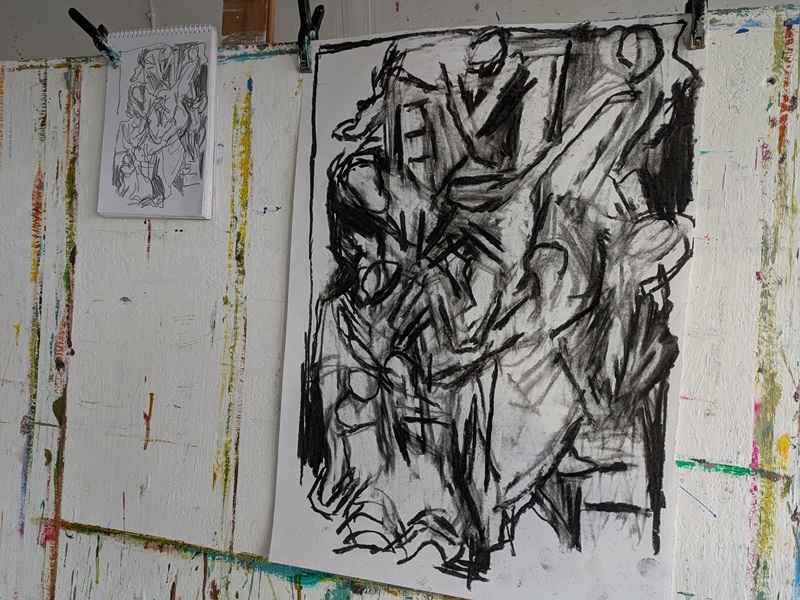
# 4. Unlock new possibilities by working from existing paintings Simon Carter’s course reclaims the powerful tradition of learning from existing paintings and how the process of translating and improvising can open up fresh directions in your own painting.
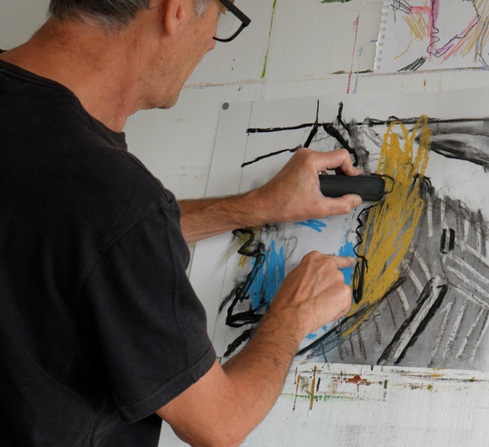
Image: Simon Carter Study
# 5. Learn how paintings are constructed
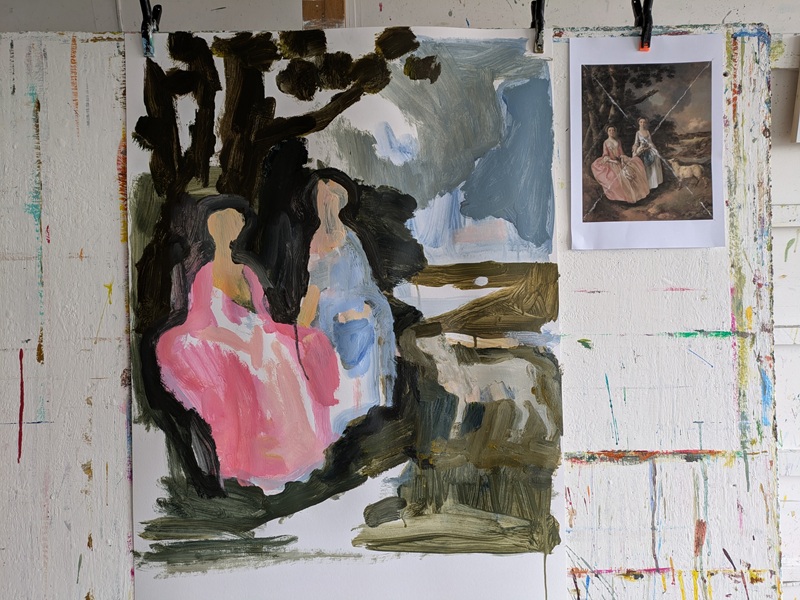
During Painter to Painteryou’ll explore how images work — from composition and colour to space, rhythm and intent.
Image: Trranscription of Gainsborough painting, SImon Carter
# 6. Rethink what landscape painting can be
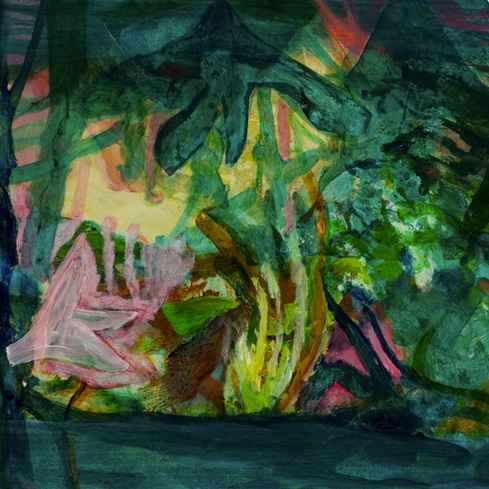
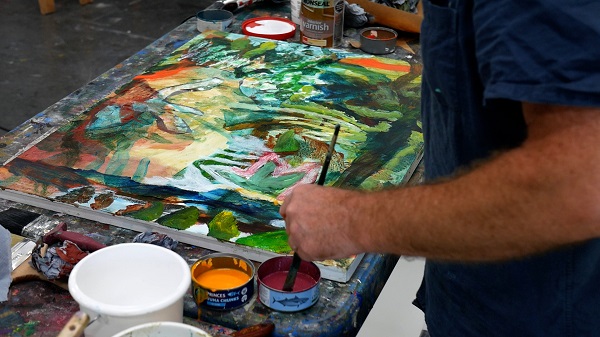
Joe Packer’s course invites you to explore ways of capturing the essence of a place, rather than a literal view, through construction, layering and visual poetry.
Image: Joe Packer painting
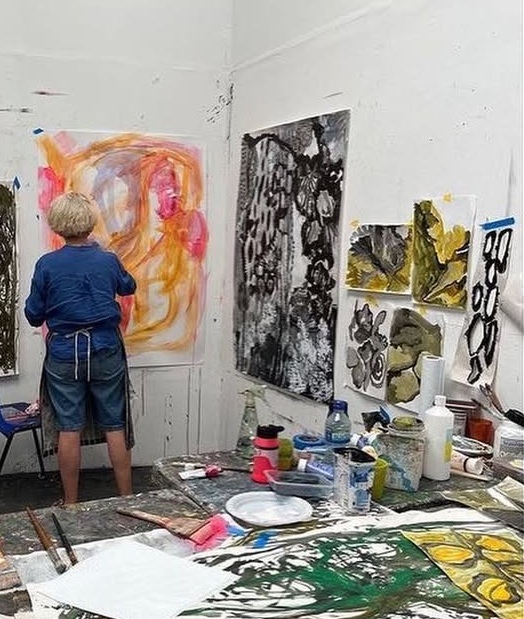
# 7. Experiment with a rich range of processes During his course Joe will give you the confidence to incorporate a range of tools into your painting, including collage, experimental mark-making, paint transfer and glazing.
Image: Student in the studio during Constructing a Landscape Painting
# 8. Work at scale and develop ambitious pieces
Across both courses you’ll work on multiple paintings, learning how to build, layer and edit your work into paintings that are fresh, dynamic and personal to you.
Image: Student in the studio during Constructing a Landscape Painting
# 9.Experiment freely, with expert support
Both Joe and Simon will provide clear demonstrations and thoughtful guidance to ensure that the Seawhite Studio is a space where you feel safe to explore, and take risks with your work
# 10. Leave with ambitious, unexpected paintings — and ideas to carry forward
You’ll finish these courses with resolved, large-scale works that contain discoveries, experiences and approaches you can continue to draw on in your future painting.
To find out more about each course and book, please click on the buttons below: